
Burton upon Trent Heritage Trail: Walking Tour Guide
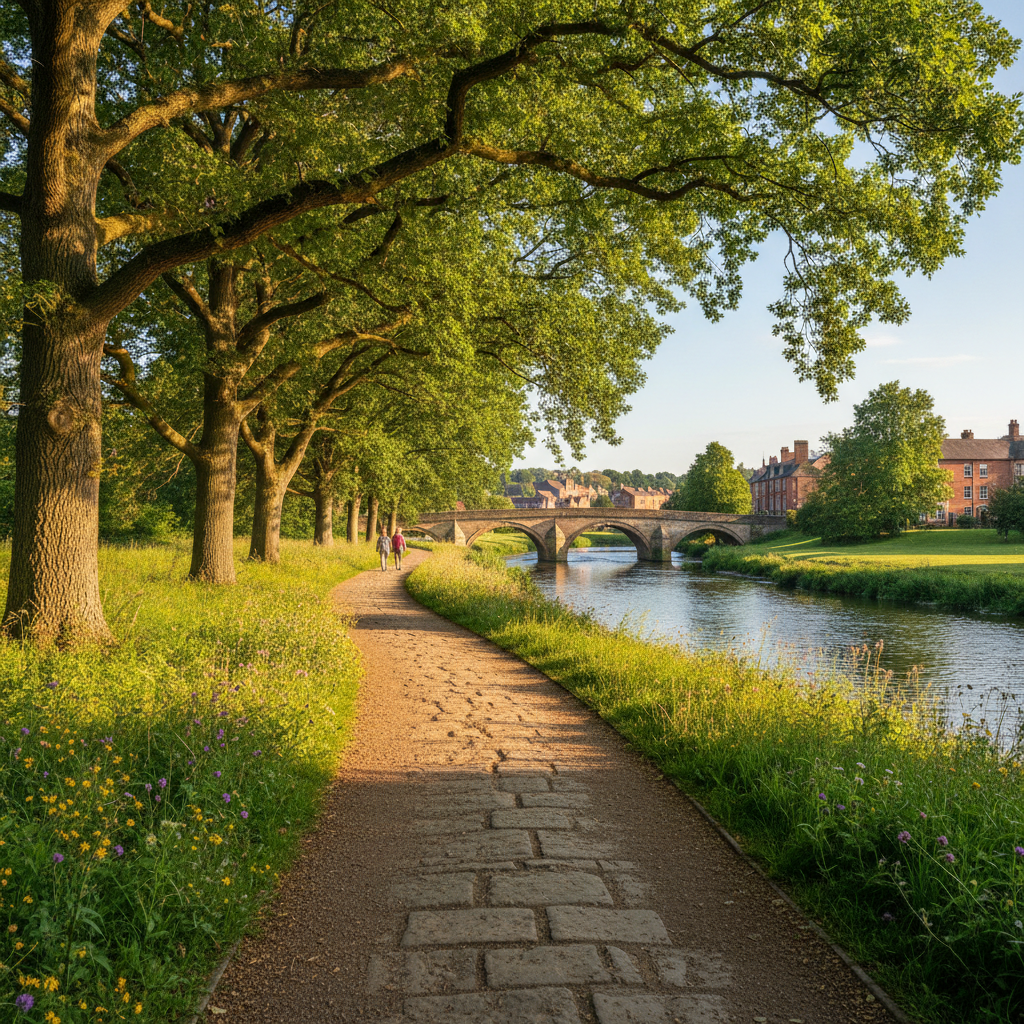
Burton upon Trent is celebrated worldwide as the capital of British brewing, yet its fascinating story extends well beyond the famous pint. Taking the Burton upon Trent Heritage Trail offers visitors an immersive journey through more than a thousand years of rich English history. From early medieval monastic life on the banks of the River Trent to the industrial boom of the Victorian era, the trail uncovers the fascinating people, architectural marvels, and riverside landscapes that helped shape this vibrant Staffordshire market town.
Whether you are a passionate local historian, a casual walker, or simply visiting the area for a weekend break, this self-guided walking route is an engaging way to explore the town. Best of all, visitors staying at Three Queens Hotel & Lodge will find themselves positioned right at the heart of the action on Bridge Street, just a five-minute stroll from the town centre.
What is the Burton upon Trent Heritage Trail?
The Burton upon Trent Heritage Trail is a curated self-guided walking route that leads pedestrians through key civic squares, riverside paths, and architectural quarters across the town. Marked by informational plaques and civic monuments, the trail weaves together Burton’s dual identities: an ancient religious settlement founded in the seventh century, and a Victorian industrial powerhouse whose waters transformed the world’s beer industry.
Because the route is situated around the town centre and adjacent riverbanks, it is easy to navigate at your own pace. Most visitors take between two and three hours to walk the trail, leaving plenty of time to read historic plaques, take photographs, and explore the town's independent shops, cafes, and historic taverns along the route.
Key Highlights Along the Trail
As you make your way around the heritage trail, several standout landmarks narrate the deep and varied chapters of Burton's past:
1. The Historic Abbey Grounds and St Modwen’s Church
Burton’s recorded origins date back to the seventh century, when the Irish abbess Saint Modwen established a chapel on Andressey Island in the River Trent. By 1002, Wulfric Spot, an Anglo-Saxon nobleman, founded Burton Abbey. It grew to become one of the wealthiest monasteries in Staffordshire, and the monks were early pioneers of local brewing thanks to the mineral-rich waters drawn from surrounding sandstone strata.
Today, remnants of the abbey wall can still be seen within the grounds of St Modwen’s Church. Built between 1719 and 1726 to replace the ruined abbey church, St Modwen’s stands as a handsome example of Georgian ecclesiastical architecture. Taking a quiet walk through the grounds offers a peaceful reflection on Burton’s medieval monastic roots.
2. Burton Market Place and Memorials
A short stroll brings you into Burton’s historic Market Place, which has served as the commercial hub of the town since medieval royal charters were granted in the early 13th century. Surrounded by traditional architecture, the Market Place remains home to the Victorian Market Hall, completed in 1883, which continues to host local traders and seasonal community events.
3. Victorian Brewing Architecture
No heritage walk around Burton upon Trent would be complete without appreciating its industrial heritage. During the 19th century, the town experienced an economic explosion. Breweries such as Bass, Worthington, and Ind Coope expanded across vast swathes of the town, linked by an intricate network of internal private railways.
Along the trail, look out for the distinctive Bass water tower and the solid red-brick brewhouses, maltings, and cooperages that define Burton's streetscape. Information points highlight how local brewing chemists mastered the mineral composition of local water—a process now known internationally as 'Burtonisation'—which allowed pale ales to be exported to every corner of the globe.
4. Trent Bridge and The Washlands
Burton’s geography is deeply tied to the River Trent. The historic Trent Bridge, originally a medieval structure with 36 arches that was the site of the Battle of Burton Bridge in 1322, was replaced by the current stone bridge in 1869. Walking across or alongside it leads you into The Washlands, an extensive wildlife-rich floodplain that borders the town. This natural haven offers broad open views, walking paths, and a tranquil escape right next to the town centre.
Dining and Refreshments in the Town Centre
Exploring local heritage builds an appetite, and Burton’s town centre provides an abundance of culinary options just moments from the trail. Visitors can pause at historic pubs that have poured local ales for centuries, explore contemporary town-centre bistros, or pick up a quick lunch from local bakeries and cafes surrounding the Market Place. In the evening, the town centre offers a varied choice of dining venues ranging from international cuisine to traditional pub dinners, ensuring you can unwind and sample the local hospitality after an active day of walking.
Practical Tips for Your Walking Tour
- Starting Point: The trail can be joined at multiple central points, but starting near the Market Place or Bridge Street provides an easy circular route.
- Footwear: While the trail sticks to pavements, pedestrianised zones, and well-maintained park paths through the Washlands, sturdy walking shoes make the journey comfortable.
- Timing: Allow 2 to 3 hours for the complete heritage walk, or split your time between morning exploration, a relaxed town-centre lunch, and an afternoon riverside stroll.
- Maps and Guides: Keep an eye out for heritage interpretation boards installed at key landmarks that detail historic dates and archival photographs.
Base Yourself at Three Queens Hotel & Lodge
To make the most of your heritage getaway, secure your accommodation right in the heart of town. Situated at 1 Bridge Street, Three Queens Hotel & Lodge is perfectly placed just a five-minute walk from Burton town centre, one mile from Burton railway station, and easily accessible via the A38 corridor.
Guests driving into Staffordshire benefit from free on-site parking, removing the stress of finding parking spaces during your stay. The hotel offers 62 comfortable rooms catering to all types of travellers, including Single, Standard Double, Executive Double, Standard Twin, Executive Twin, Family, Quadruple, Mews Apartment, and an elegant four-poster Suite. Every room is en-suite with a private bathroom, flat-screen TV with Freeview and radio, tea and coffee making facilities, a hair dryer, complimentary toiletries, and a direct dial phone.
During your stay, stay connected with free WiFi throughout the property, and take advantage of daily housekeeping and a 24-hour dry cleaning and laundry service. Reception is open daily from 8:00 am until 10:00 pm, with a dedicated night porter on duty from 10:00 pm to 8:00 am to ensure assistance is always on hand.
Book your stay at Three Queens Hotel today and begin planning your historic journey along the Burton upon Trent Heritage Trail.
Planning a visit? Book your stay at Three Queens Hotel & Lodge.
Book Now